Tips for Optimising Speaker Positioning in Any Room

Getting the best sound from your speakers is not just about the quality of the equipment. How you position your speakers in a room can dramatically affect the audio experience. Whether you are setting up a home theatre, a music studio, or just want better sound for your everyday listening, optimising speaker positioning is key. This guide will walk you through practical tips and techniques to help you achieve clear, balanced sound in any room.
Understanding the Basics of Speaker Positioning
Before moving your speakers around, it’s important to understand some fundamental principles of sound and room acoustics. Sound waves interact with walls, furniture, and other surfaces, which can cause reflections, echoes, and dead spots. These effects influence how you perceive the audio.
Distance from walls: Placing speakers too close to walls can cause bass frequencies to become boomy or muddy. Ideally, keep speakers at least 30cm away from walls.
Height and angle: Tweeters (the small drivers that handle high frequencies) should be roughly at ear level when you are seated. Angling speakers slightly towards the listening position improves clarity.
Symmetry: Try to position speakers symmetrically in the room to maintain a balanced stereo image.
By keeping these basics in mind, you can start experimenting with placement to find the sweet spot for your setup.

Practical Tips for Speaker Positioning in Any Room
Now that you know the basics, here are some actionable tips to optimise your speaker placement:
Create an Equilateral Triangle
Position your two main speakers and your listening spot so they form an equilateral triangle. This means the distance between the speakers should be the same as the distance from each speaker to your ears. This setup helps create a precise stereo image.
Avoid Corners for Speakers
Corners tend to amplify bass frequencies excessively, which can muddy the sound. Keep speakers away from corners to maintain a cleaner bass response.
Use Speaker Stands or Isolation Pads
Placing speakers on stands or isolation pads reduces vibrations and prevents sound distortion caused by furniture or shelves.
Experiment with Toe-In Angles
Slightly angling the speakers inward (toe-in) towards the listening position can improve stereo imaging and focus the soundstage.
Consider Room Acoustics
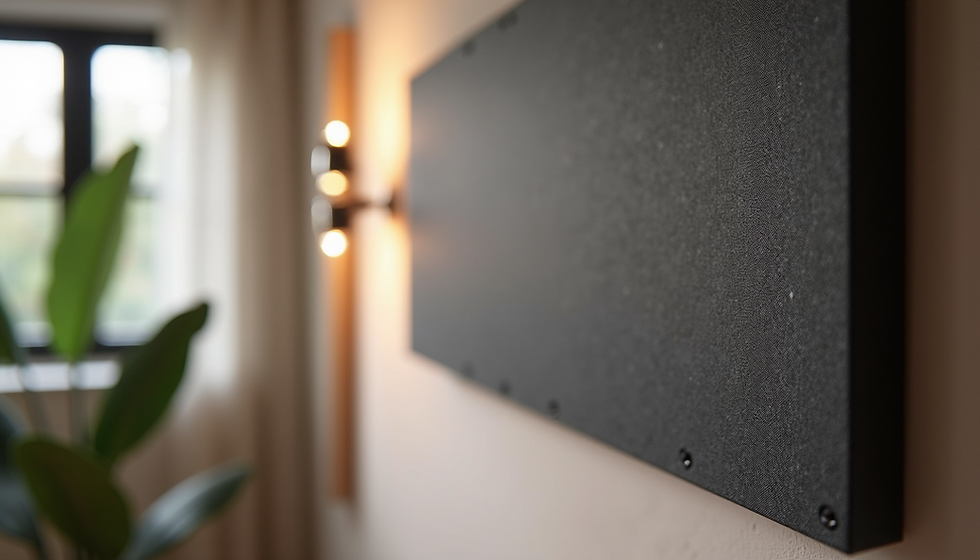
Hard surfaces reflect sound, while soft furnishings absorb it. Adding rugs, curtains, or acoustic panels can help balance reflections and improve clarity.
Test and Adjust
Use music tracks you know well to test different placements. Move speakers in small increments and listen carefully to changes in bass, midrange, and treble.
For more precise adjustments, you might want to try a speaker placement tool that analyses your room acoustics and suggests optimal positioning.

How Room Shape and Size Affect Speaker Positioning
Every room is unique, and its shape and size play a big role in how sound behaves. Rectangular rooms are generally easier to work with, but even then, dimensions can cause standing waves or frequency cancellations.
Small rooms: Bass frequencies can become exaggerated or uneven. Positioning speakers away from walls and corners is even more critical here.
Large rooms: You may need more powerful speakers or additional subwoofers to fill the space evenly.
Irregular shapes: Rooms with alcoves, slanted ceilings, or open-plan layouts require more experimentation and possibly acoustic treatment to manage reflections.
Understanding your room’s characteristics helps you make informed decisions about speaker placement and necessary adjustments.
Using Technology to Enhance Speaker Positioning
Modern technology offers tools that can simplify the process of optimising speaker placement:
Room correction software: Many AV receivers and sound systems include software that measures your room’s acoustics and automatically adjusts speaker settings.
Measurement microphones: These devices capture sound data in your room, allowing you to analyse frequency response and identify problem areas.
Speaker placement tools: Online tools and apps can guide you through the process of positioning speakers based on your room’s dimensions and layout.
Using these technologies alongside manual adjustments can help you achieve the best possible sound.
Tips for Positioning Subwoofers and Surround Speakers
If your setup includes subwoofers or surround speakers, their placement is just as important:
Subwoofers: Bass frequencies are less directional, so subwoofers can be placed in various locations. However, avoid corners to prevent boomy bass. Try the "subwoofer crawl" method - place the subwoofer at your listening position and crawl around the room to find where the bass sounds best, then place the subwoofer there.
Surround speakers: These should be placed slightly above ear level and to the sides or behind the listening position. Angle them towards the listener for immersive sound.
Proper placement of these speakers enhances the overall audio experience, especially for home theatre systems.
Final Thoughts on Achieving Great Sound with Speaker Positioning
Optimising speaker positioning is a blend of science and art. It requires understanding basic acoustic principles, experimenting with placement, and sometimes using technology to fine-tune the setup. Remember to:
Keep speakers away from walls and corners
Position tweeters at ear level
Use stands or isolation pads
Create an equilateral triangle with your listening position
Consider room acoustics and add treatments if necessary
With patience and careful adjustments, you can transform your listening environment and enjoy clear, balanced sound no matter the room.
Happy listening!


Comments