Understanding the Core Concepts of High-Fidelity Sound

High-fidelity sound is a term that resonates with audiophiles and casual listeners alike. It describes the goal of reproducing audio with minimal distortion, maximizing the clarity and richness of the sound. In a world where streaming and compressed audio files dominate, understanding the fundamentals of high-fidelity sound can enhance your listening experience and appreciation for music.
What is High-Fidelity Sound?
High-fidelity sound, often abbreviated as hi-fi, refers to audio reproduction that is as true to the original recording as possible. This involves a number of key aspects including frequency response, dynamic range, and soundstage.
Frequency Response: A wide frequency response allows listeners to experience the full range of sound, from deep bass notes to high treble. Ideally, a hi-fi system will reproduce sound frequencies between 20 Hz and 20 kHz, which is the typical range of human hearing.
Dynamic Range: This refers to the difference between the loudest and quietest sounds in an audio track. A good dynamic range enhances the emotional impact of music, allowing softer passages to be heard clearly while still being able to enjoy powerful crescendos.
Soundstage: A well-defined soundstage creates the illusion of space in a recording. When you listen to a hi-fi system, you should be able to pinpoint the location of instruments and voices as if they were in the room with you.

In summary, high-fidelity sound aims to deliver an authentic, immersive listening experience through precise audio reproduction.
The Importance of High-Fidelity Sound
The importance of high-fidelity sound cannot be overstated, particularly for those who appreciate music. Listening to songs in high fidelity makes the experience much richer. There are several benefits associated with high-fidelity sound:
Enhanced Listening Experience: Good quality audio brings music to life. Every note, every instrument has its own space, allowing you to appreciate the intricacies and details of a composition.
Emotional Connection: Music has the ability to evoke emotions. High-fidelity sound helps in enhancing that emotional connection, letting you feel the essence of the music fully.
Artistry and Production Quality: Many songs are recorded with great attention to detail. When enjoyed in high-fidelity sound, the artistry of the musicians and the production quality can be fully appreciated.
Listeners who invest in quality speakers, amplifiers, and other components often report a significant difference in their overall experience. For example, when comparing a compressed audio file to a high-resolution audio file played on a quality sound system, listeners often describe a dramatic difference in clarity and emotional impact.

Who Makes the Best Hi-Fi Equipment?
There are numerous manufacturers producing high-fidelity audio equipment today, each offering various features tailored to different preferences and room acoustics.
Here are some of the most respected brands in the industry:
Bowers & Wilkins: Known for its cutting-edge technology and design, Bowers & Wilkins has built a reputation for crafting some of the best speakers in the world. Their commitment to audio quality and design excellence makes them a favorite among audiophiles.
Klipsch: With a strong emphasis on acoustic sound, Klipsch offers speakers that are known for their efficiency and clarity. Their classic horn-loaded technology delivers high output with minimal distortion.
Focal: This French company is renowned for its premium speakers and headphones. Focal's focus on detail and craftsmanship ensures that each product can produce a rich and immersive listening experience.
KEF: This British audio pioneer is celebrated for its groundbreaking Uni-Q driver technology and relentless engineering precision. KEF’s speakers and headphones deliver a remarkably coherent sound-stage, exceptional clarity, and effortless dynamics, bringing every nuance of your music to life.
Choosing the right equipment can greatly influence the quality of sound. It's essential to research and perhaps even audition various products to find what best suits your preferences and listening habits. Note the examples above are not recommendations, for your specific listening room and requirements contact The Discerning Listener.
Components of a High-Fidelity System
Building a high-fidelity system involves selecting several key components that work together to deliver an unparalleled audio experience. Here are the critical components of a typical hi-fi system:
Source: This is where the audio originates, whether it's a vinyl record player, a high-resolution digital audio player, or a streaming service. The source should be able to provide high-quality audio without any compression that might diminish sound quality.
Amplifier: The amplifier boosts the audio signal to a level that can drive the speakers. A good amplifier will match the speakers' power needs and provide enough headroom to handle dynamic passages without distortion.
Speakers: This is arguably the most important part of a hi-fi setup. The speakers should be selected based on the size of your room, the type of music you enjoy, and personal sound preferences. For instance, if you prefer booming bass, you might look for floor-standing speakers with subwoofers.
Cables and Accessories: While they may seem mundane, quality cables can improve signal transfer and reduce interference. Additionally, speaker stands and isolation pads can enhance sound quality by minimizing vibrations.
By carefully selecting and matching the components in your system, you can create a powerful high-fidelity audio experience that brings every track to life.

Practical Tips for Enjoying High-Fidelity Sound
Here are some actionable recommendations to help you make the most of your high-fidelity audio experience:
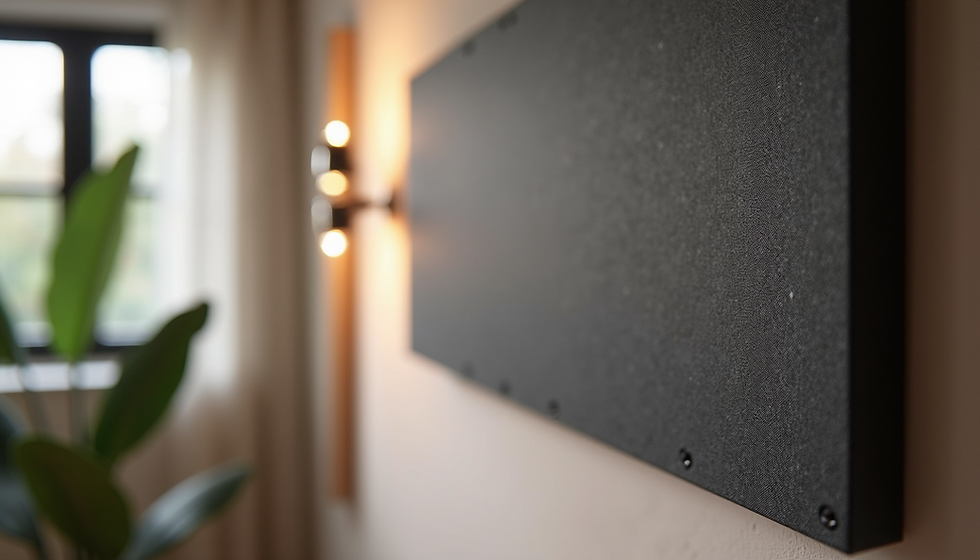
Room Acoustics: Consider the acoustics of your room. Soft furnishings like carpets and curtains can help to absorb sound and reduce reflections. You might also explore acoustic panels or bass traps for improved sound quality.
Proper Placement: The placement of your speakers can greatly affect the sound. Experiment with positioning to find the ideal angles and distances that enhance your listening experience. A common starting point is to place speakers at ear level and form an equilateral triangle with your listening position.
Invest in Quality Equipment: While it's tempting to opt for budget solutions, investing in higher-quality speakers and other components often yields better results. You can consult resources like high-fidelity audio equipment for recommendations and purchasing options.
Listen at Different Volumes: To understand how your system performs, listen at various volumes. Some speakers might sound better at lower levels, while others excel at higher outputs.
Explore High-Resolution Audio: If you want to take your listening experience to the next level, consider high-resolution formats like FLAC or DSD. These formats retain more data than standard MP3s and can reveal subtleties that enhance the listening experience.
High-fidelity sound is achieved through a scientific approach to expose the art of music and can enhance the way you experience music. By understanding its core concepts and the components that contribute to high-quality audio, you can create a dedicated listening space that allows you to appreciate your music collection like never before.
Through a thoughtful objective approach equipment choices and setup, you can enjoy the depth, clarity, and emotion that high-fidelity sound has to offer.


Comments