Importance of Optimising Room Acoustics for Better Sound

When it comes to enjoying music, movies, or even clear conversations, the quality of sound in a room plays a crucial role. Poor room acoustics can distort sound, create echoes, and reduce clarity, making any audio experience less enjoyable. Optimising room acoustics is essential for anyone who values sound quality, whether in a home theatre, recording studio, or living room. This article explores why room acoustics matter, how they affect sound, and practical ways to improve them for a better listening experience.
Understanding Room Acoustics and Their Impact on Sound Quality
Room acoustics refer to how sound behaves within a space. When sound waves are produced, they travel, reflect, absorb, and diffuse depending on the room’s size, shape, and materials. These interactions can either enhance or degrade the sound you hear.
For example, a room with hard surfaces like glass or concrete will reflect sound waves, causing echoes and reverberation. This can make speech difficult to understand and music sound muddy. Conversely, rooms with soft furnishings, carpets, and curtains absorb sound, reducing reflections and improving clarity.
Key factors influencing room acoustics include:
Room dimensions: Larger rooms may have longer reverberation times, while smaller rooms can cause sound waves to overlap and create standing waves.
Surface materials: Hard surfaces reflect sound, soft surfaces absorb it.
Furniture and decor: These can scatter or absorb sound, affecting how it travels.
Speaker placement: Positioning speakers correctly can minimise unwanted reflections and improve sound focus.
Optimising room acoustics means balancing these factors to create a space where sound is clear, natural, and immersive.

Why Room Acoustics Are Essential for Every Space
Good room acoustics are not just for professional studios or cinemas. They matter in everyday environments too. Here’s why:
Improved speech intelligibility: In offices, classrooms, or meeting rooms, clear communication is vital. Poor acoustics can cause echoes and background noise, making it hard to understand speech.
Enhanced music enjoyment: Whether you’re a casual listener or an audiophile, optimised acoustics bring out the best in your music by balancing bass, mids, and highs.
Better home theatre experience: Proper acoustics reduce sound distortion and create a more immersive experience when watching movies or gaming.
Reduced listening fatigue: When sound is clear and balanced, your ears don’t have to work as hard, reducing fatigue during long listening sessions.
Increased property value: Homes with well-designed acoustic rooms can be more attractive to buyers who appreciate quality sound environments.
Even simple changes like adding rugs, curtains, or bookshelves can make a noticeable difference. For those seeking professional results, investing in acoustic treatments such as diffusers, bass traps, and absorbers is worthwhile.
How do I make my room acoustic?
Creating an optimised acoustic room involves several practical steps. Here’s a straightforward guide to get started:
Assess your room: Identify problem areas by clapping your hands or playing test sounds. Listen for echoes, flutter echoes (rapid, repetitive echoes), or dead spots.
Add absorption materials: Use soft furnishings like carpets, curtains, cushions, and upholstered furniture to absorb sound reflections.
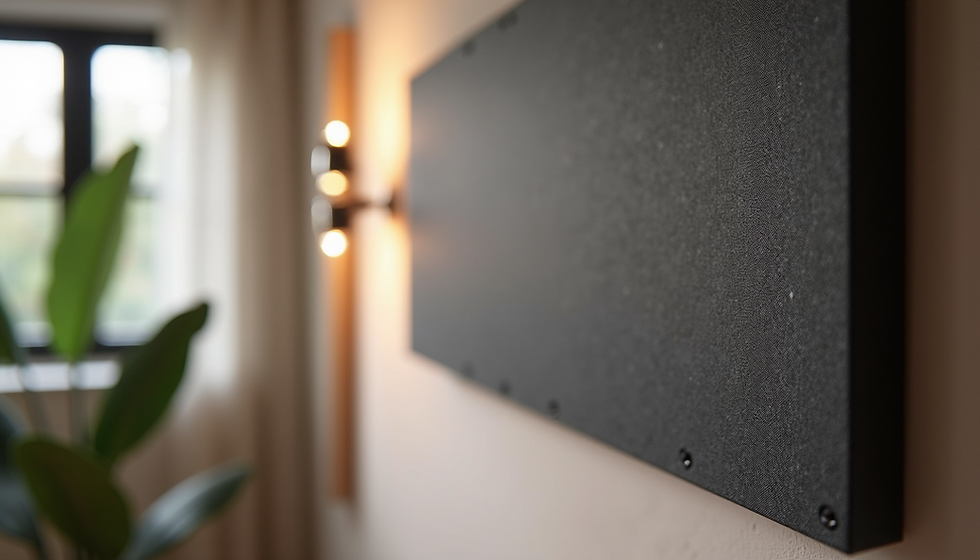
Install acoustic panels: These specially designed panels absorb mid to high frequencies and reduce echo. Place them on walls and ceilings where reflections are strongest.
Use bass traps: Low-frequency sounds tend to build up in corners. Bass traps help control these frequencies and prevent boomy sound.
Position speakers carefully: Avoid placing speakers too close to walls or corners. Experiment with angles and distances to find the best sound.
Consider diffusion: Diffusers scatter sound waves evenly, preventing harsh reflections and creating a more natural sound.
Seal gaps and doors: Sound can leak through gaps, reducing acoustic quality. Use weatherstripping or door seals to minimise this.
By following these steps, you can transform any room into a space with balanced, clear sound. For more detailed advice and products, visiting a specialist site like acoustic room can provide valuable insights.

Practical Benefits of Optimising Room Acoustics
Optimising room acoustics offers tangible benefits beyond just better sound. Here are some examples:
Work productivity: In offices, reducing noise distractions improves concentration and efficiency.
Learning environments: Classrooms with good acoustics help students hear clearly, improving comprehension and participation.
Health and wellbeing: Excessive noise and poor sound quality can cause stress and fatigue. Good acoustics create a more comfortable environment.
Recording quality: Musicians and podcasters benefit from controlled acoustics that capture clean, professional sound.
Entertainment value: Whether hosting a party or enjoying a quiet night in, optimised sound enhances the overall atmosphere.
These benefits make investing time and resources into room acoustics worthwhile for both personal and professional spaces.
Tips for Maintaining Good Room Acoustics Over Time
Once you have optimised your room acoustics, maintaining them is important to ensure lasting sound quality. Here are some tips:
Regularly check furniture placement: Moving furniture can change how sound behaves. Keep key absorptive items in place.
Clean acoustic treatments: Dust and dirt can reduce the effectiveness of panels and traps. Clean them gently as needed.
Avoid clutter: Excess clutter can create unwanted reflections or absorb too much sound, disrupting balance.
Monitor changes: If you add new electronics, decorations, or change flooring, reassess your room acoustics.
Use rugs and curtains seasonally: In some climates, swapping heavy curtains for lighter ones in summer can help maintain acoustic balance.
By staying mindful of these factors, you can enjoy consistently great sound in your space.

Optimising room acoustics is a smart investment for anyone who values sound quality. Whether for work, entertainment, or relaxation, a well-treated space transforms how you experience audio. Start with simple changes and explore professional solutions to create your ideal listening environment. For more inspiration and expert advice, explore resources on acoustic room.


Comments